


Description
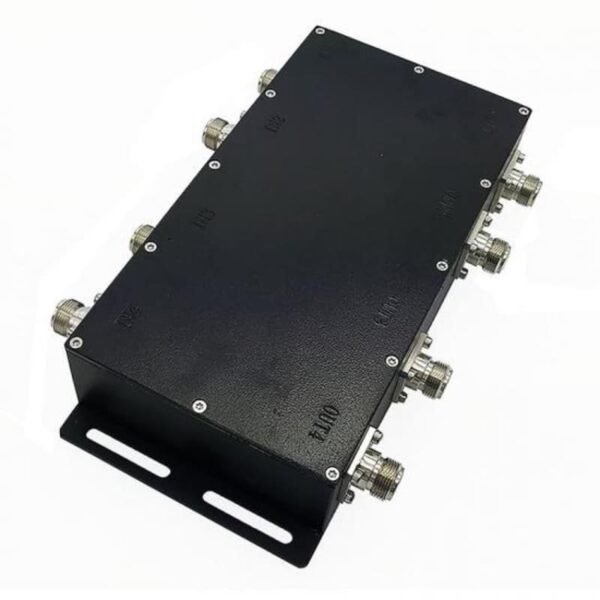
Designed for high-capacity network integration, this 3-way combiner utilizes a cavity or microstrip design to ensure high port-to-port isolation (typically ≥20dB to 23dB). This isolation is critical for preventing cross-talk and feedback between the three input radios. The housing is typically constructed from high-grade brass or aluminum with tri-alloy (White Bronze) plating on the connectors to ensure excellent conductivity and long-term resistance to environmental oxidation.
The device is optimized for low Passive Intermodulation (PIM), with many professional models achieving ≤ -140dBc to -150dBc. This performance is essential for maintaining a low noise floor in multi-carrier environments, which directly impacts 4G and 5G data throughput. With its broad frequency range and high power capacity, it is a versatile solution for head-end combining in office buildings, stadiums, and transportation hubs.
Key Technical Advantages
-
Efficient Triple Signal Merging: Allows three separate BTS or signal sources to share a single transmission line, reducing hardware costs and cabling complexity.
-
Broadband 5G/LTE Support: Covers all major global cellular bands from 698MHz to 2700MHz, providing a future-proof solution for multi-operator systems.
-
High Port Isolation: Protects radio equipment with typically ≥23dB isolation, ensuring that each input remains independent and stable.
-
Low Insertion Loss: Engineered for minimal signal attenuation (typically ≤0.4dB to 1.0dB above the theoretical 4.8dB split loss), maximizing radiated power.
-
Carrier-Grade Durability: Features a robust, corrosion-resistant design often rated at IP65 for protection against dust and moisture ingress.
Key Features
-
Configuration: 3 Input Ports, 1 Output Port.
-
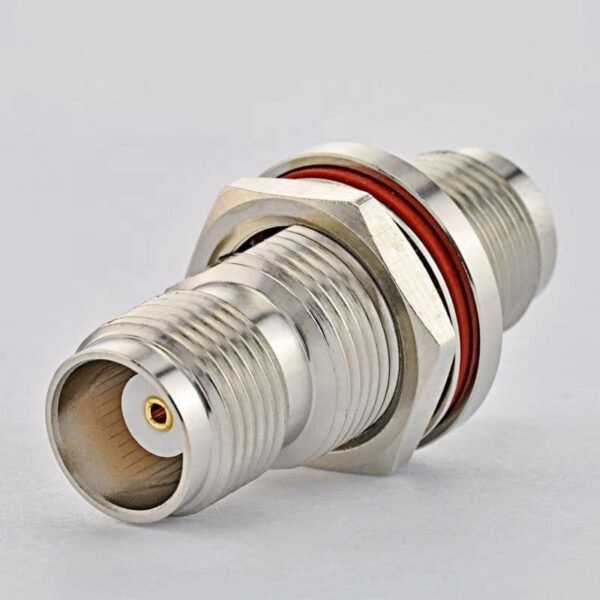
Connector Options: N-Female (standard) or SMA-Female.
-
Frequency Range: 698-2700 MHz.
-
Impedance: 50 Ohm.
-
PIM (3rd Order): ≤ -140 dBc to -150 dBc (Model dependent).
-
Power Handling: 50W to 200W (Avg).
🔹 Applications:
- Combining three RF signals into one output
- Telecom base station signal integration
- DAS and antenna systems
- RF signal distribution networks
- Wireless communication infrastructure
- RF cable system optimization




Reviews
There are no reviews yet.